
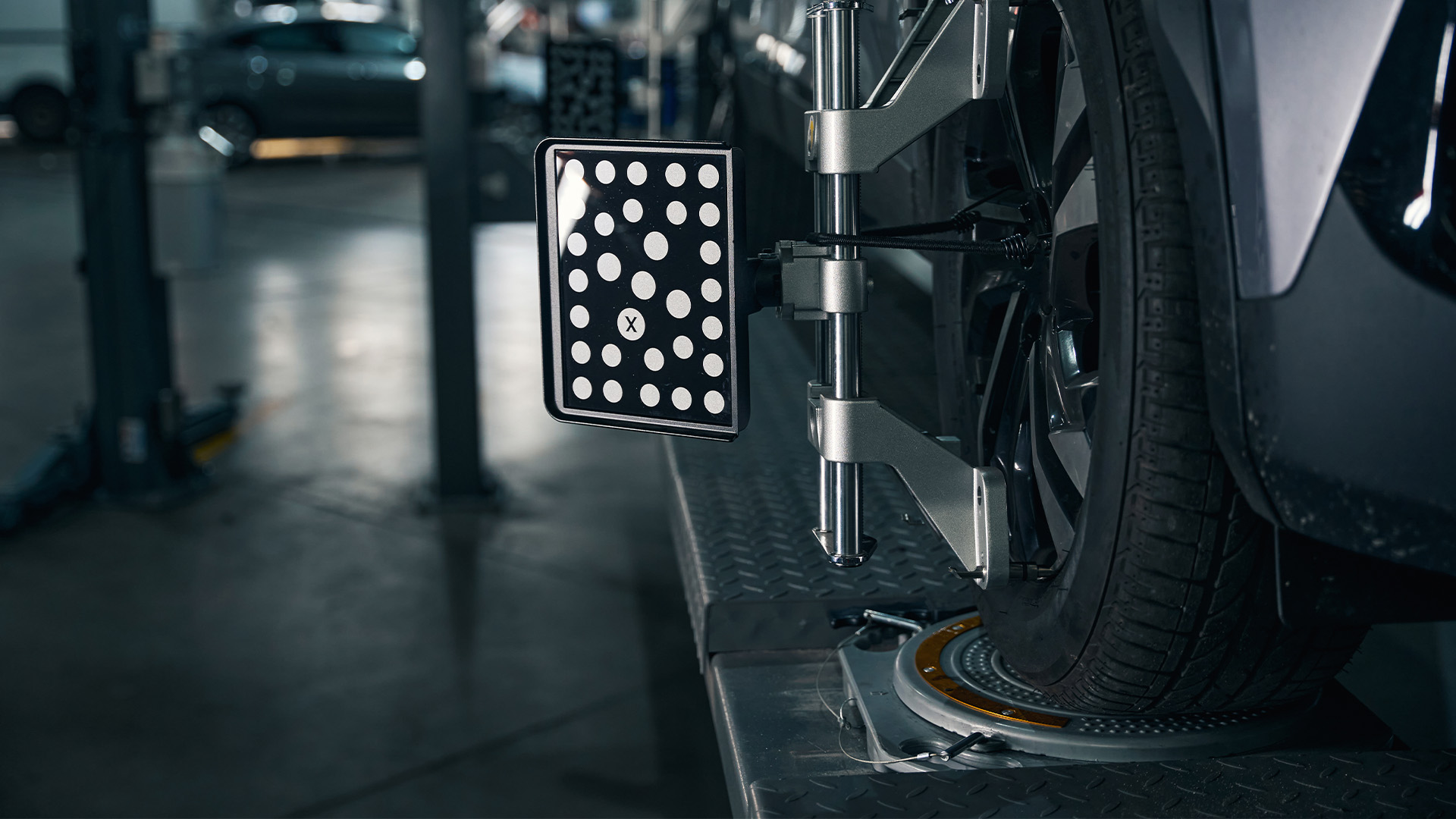
Driving with bad alignment feels subtly wrong at first—but it can quickly become frustrating, unsafe, and damaging to your car. If you are experiencing any of the following issues, we can help.

Constant Steering Correction
You have to fight the wheel just to keep the car going straight. It might pull to one side, so you’re constantly adjusting—like you’re wrestling your own vehicle.

Uneven or Shaky Ride
The car may vibrate or shimmy, especially at higher speeds. It feels unstable, like the tires aren’t all touching the road the same way.

Crooked Steering Wheel
Even when you’re driving straight, the steering wheel might be tilted off-center, which just feels off and annoying.

Tires Wear Weirdly and Quickly
You might start hearing more road noise or feel a “slapping” sensation—because one edge of your tires is wearing down faster than the rest. This not only shortens tire life but also reduces grip.

Poor Fuel Efficiency
The misalignment increases rolling resistance, meaning your car has to work harder—so you’ll find yourself burning more gas than usual.

Likely Issues

Hitting Potholes or Curbs

A sudden impact throws the suspension and steering components out of alignment.

Get a professional alignment check and adjustment. Inspect for bent control arms or damaged tie rods if the impact was severe.

Worn Suspension Components

Over time, parts like ball joints, bushings, or shocks wear out, leading to sloppy alignment angles.

Replace worn suspension parts, then realign the wheels.

Car Accident or Collision

Even a minor fender bender can tweak alignment geometry.

Have a full inspection done after any accident, including frame and suspension. Perform a proper wheel alignment.

Uneven Wear or Mismatched Tires

Different tread depths or uneven wear can affect alignment and handling.

Rotate or replace tires, and have an alignment done to ensure proper tracking and even tire wear moving forward.

Modifications
(Lowering or Lifting the Vehicle)

Changing the ride height affects suspension geometry and factory alignment specs.

Get a custom alignment based on the new ride height. Some vehicles may need adjustable suspension parts, like camber kits.

Normal Wear and Tear

Over time, alignment can drift due to road conditions and regular use.

Follow your vehicle manufacturer’s recommendations and get an alignment check annually, or every 6,000–10,000 miles.

Uneven Tire Pressure

Low or inconsistent tire pressure affects how the car sits and drives.

Replace the cabin air filter. This is an inexpensive and easy fix you can often do yourself.

Scroll to Top