
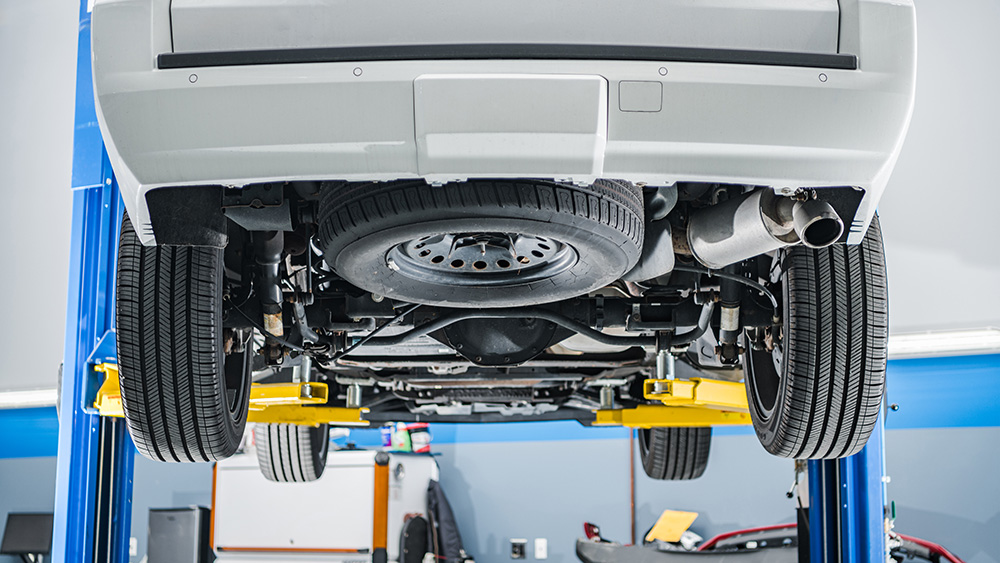
Shocks & Struts

Driving with worn or damaged shocks and struts feels unsafe and uncomfortable. You may notice the car bouncing excessively over bumps, swaying during turns, nose-diving when braking, or uneven tire wear. Steering can feel less precise, and the ride becomes rough and unpredictable. Ignoring these issues can lead to reduced handling, longer stopping distances, and accelerated wear on tires and suspension components, making driving more stressful and risky.

Likely Issues

Excessive Bouncing or Rough Ride

Worn or leaking shocks/struts, broken mounts

Replace shocks or struts, inspect and repair mounts.

Car Sways or Rolls in Turns

Worn suspension components, weak shocks, broken sway bar links.

Replace shocks/struts, repair or replace sway bar links.

Nose-Dive During Braking

Worn front struts or shocks, broken mounts.

Replace front struts/shocks, check mounts and suspension alignment.

Uneven Tire Wear

Worn shocks/struts causing inconsistent wheel contact.

Replace shocks/struts, inspect alignment, rotate tires regularly.

Leaking Fluid

Damaged or worn shocks/struts.

Replace leaking shocks or struts.

Knocking or Clunking Noises

Broken mounts, worn bushings, loose components.

Replace mounts/bushings, tighten or replace damaged suspension parts.

Vehicle Feels “Loose” or Unstable

Overall suspension wear, aging shocks/struts.

Replace worn shocks/struts, inspect other suspension components.

AC Control Module or Sensors

Software or sensor malfunction may prevent the system from turning on or cause it to blow incorrect air temperatures.

Have the AC system scanned for fault codes using a diagnostic tool. Replace faulty sensors or the control module based on the diagnosis.

Scroll to Top