
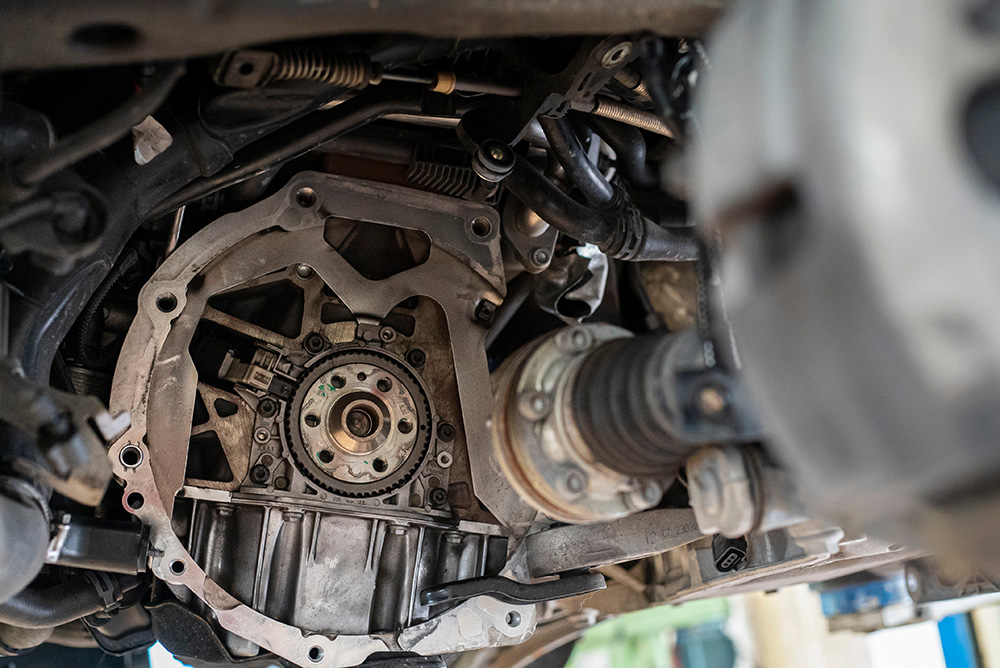
Driving with a faulty driveline feels unsettling and sometimes dangerous. You may notice vibrations, clunking, humming, or shuddering when accelerating, decelerating, or turning. The car might pull, hesitate, or make strange noises, making it feel like the vehicle is fighting against you. Every change in speed or load can amplify the problem, creating a sense of unpredictability and unease. Ignoring driveline issues can lead to further damage, expensive repairs, or even a sudden loss of propulsion while driving.

Likely Issues

Vibrations or Shuddering

Worn or unbalanced driveshaft, bent axle, worn U-joints, or CV joints.

Balance or replace driveshaft, repair/replace axles, replace worn U-joints or CV joints

Clunking or Clicking Noises

Worn U-joints, failing CV joints, loose differential or transmission mounts

Replace U-joints or CV joints, tighten/replace mounts

Grinding or Humming Sounds

Worn differential bearings, damaged wheel bearings, or low or contaminated differential fluid.

Replace bearings, service or refill differential fluid

Difficulty in Acceleration or Transmission Engagement

Damaged driveshaft, differential issues, failing transmission components

Inspect and repair driveshaft/differential, service transmission.

Excessive Play or “Slack” in Driveline

Worn universal joints, CV joints, or drive shafts.

Replace worn components, ensure proper alignment.

Leaking Driveline Fluids

Torn axle seals, differential leaks, transmission leaks.

Replace seals, repair leaks, refill fluid.

Vibrations at Certain Speeds

Driveshaft imbalance, bent axle, worn tires (sometimes driveline related).

Balance driveshaft, replace bent components, inspect tires.

Driveline Binding or “Shudder” on Turns

Dry or failing CV joints, worn suspension components.

Lubricate or replace CV joints, inspect suspension parts.

Scroll to Top