Under-Hood
Inspection
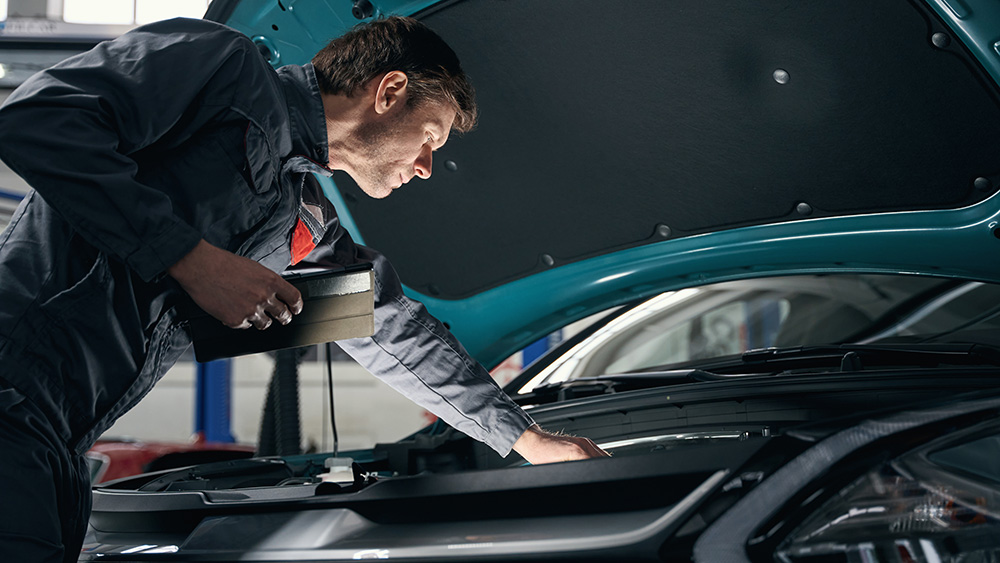
An under-hood inspection is a critical part of routine vehicle maintenance that ensures your engine and related systems are running safely, efficiently, and reliably. During this inspection, a mechanic or car owner examines components under the hood to detect wear, leaks, loose connections, or potential failures before they become major problems. It’s a proactive check that helps prevent breakdowns, maintain performance, and extend the life of your vehicle.
Driving without routine under-hood inspections can lead to unexpected breakdowns, reduced fuel efficiency, overheating, or even engine damage.
Key Components
Engine Oil
The level and color are checked for signs of contamination to ensure proper lubrication to prevent engine wear or failure.
Coolant / Radiator Fluid
Level, color, leaks, and condition of hoses are inspected to prevent overheating, corrosion, and engine damage.
Belts
Belts are checked for cracks, fraying, tension, and alignment to prevent engine accessory failure, alternator, or water pump malfunction.
Hoses
Hoses are checked for cracks, brittleness, leaks, and loose clamps to prevent coolant, vacuum, or oil leaks that can damage the engine.
Battery & Terminals
Charge level, corrosion, and connection security to ensure reliable starting and electrical system function.
Brake Fluid
Fluid level and contamination are checked to maintain braking efficiency and to prevent brake failure.
Power Steering Fluid
Fluid level and leak detection are checked to ensure smooth steering and prevent pump damage.
Transmission Fluid
The level and color are checked for signs of contamination to protect transmission from wear and overheating.
Air Filter
Cleanliness and proper seating ensure proper airflow, improve fuel efficiency, and protect the engine.
Fuel Lines
Checking for leaks, damage, and secure connections prevents fire hazards and protects the fuel delivery issues.
Windshield Washer Fluid
Levels are checked to ensure visibility and safety.
Electrical Connections & Wiring
Inspection for fraying, corrosion, and loose terminals prevents electrical failures or shorts.
Visual Inspection of Engine & Components
Inspection of leaks, unusual wear, and abnormal noises detects early signs of potential issues.