
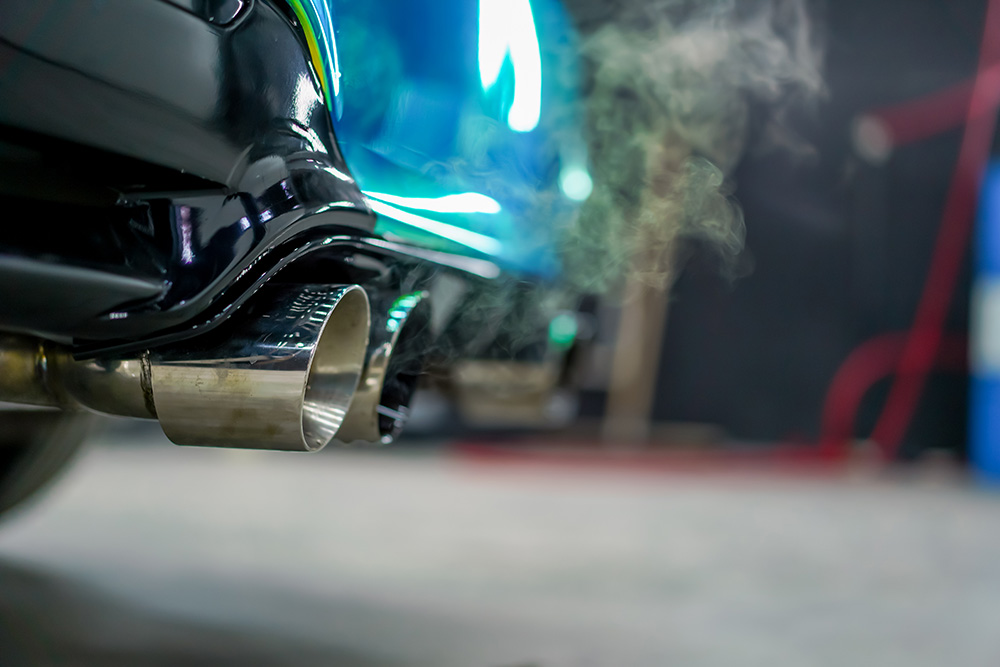
Driving with exhaust system issues can range from mildly annoying to hazardous. Common experiences include loud roaring, rattling, or hissing noises, unusual vibrations, a strong smell of exhaust fumes, or even reduced engine performance. The car may feel less responsive, and fuel economy can drop. In severe cases, leaks or blockages can allow toxic gases like carbon monoxide to enter the cabin, creating a serious safety risk. The symptoms can make the car feel uncomfortable, unsafe, and inefficient, signaling that the exhaust system needs inspection.

Likely Issues

Loud or Unusual Noise

Rusted or cracked muffler, damaged exhaust pipe, broken hangers.

Replace muffler or damaged sections, repair hangers.

Rattling Noise Under Vehicle

Loose heat shields, broken clamps, worn hangers.

Tighten or replace heat shields, clamps, and hangers.

Strong Exhaust Smell in Cabin

Exhaust leak near engine or under car, damaged gasket.

Locate and seal leak, replace gaskets or sections as needed.

Reduced Fuel Economy

Clogged catalytic converter, exhaust leak.

Replace catalytic converter, repair leaks.

Engine Performance Issues

Blocked catalytic converter, damaged oxygen sensors, and exhaust restriction.

Replace catalytic converter, service sensors, and remove restrictions.

Check Engine Light On

Faulty O2 sensor, catalytic converter efficiency below threshold.

Scan and replace faulty sensor, repair catalytic converter.

Backfiring or Popping Sounds

Exhaust leak, incorrect air/fuel mixture, damaged muffler.

Repair leaks, tune engine, and replace the muffler if needed.

Scroll to Top